We regret to inform you that the ipl2 is ceasing operations on June 30, 2015. The Ask an ipl2 Librarian service will close on June 24, 2015 to allow us time to answer every last question. The ipl2 site (http://ipl2.org/) will remain up but unmaintained for an unspecified period of time after June 30. We sincerely thank all our loyal patrons for 20 years of support and enthusiasm.
The Link: International Creativity Month
January 7, 2014 — theipl2blog
Courtesy of opensourceway http://www.flickr.com/photos/opensourceway/4639590640/sizes/z/in/photostream/
Creativity is reflected in human innovation and problem-solving endeavors throughout history. It is present in arts, education, technology, science, and in almost everything we do. Creativity encourages children’s curiosity and helps them learn to think independently and critically. For adults, creativity inspires innovation, progress, and joy. As we evolve as a species, creativity helps us evolve as a society.
January is International Creativity Month. Founded by motivational speaker and author Randall Munson, International Creativity Month is geared towards celebrating the power of creativity across the globe. Sources in this month’s newsletter illustrate how creativity is implemented in workplaces, in education, with food, with children, and across cultures.
Creativity in Work
100 Ways to Be More Creative at Work
Huffington Post (find it on the ipl2)
http://www.huffingtonpost.com/mitch-ditkoff/workplace-creativity_b_3192893.html
Arianna Huffington is a nationally syndicated columnist and author of ten books. She has done numerous guest spots on political talk shows and news shows. Her blog attracts many well-known political figures and celebrities who comment on various events around the nation. In the Huff Post business section, readers learn how to express creativity in their jobs by reading the list of 100 examples on how to use creativity in the workplace.
5 Benefits Of Hiring Creative Employees
NEW! Careerealism
http://www.careerealism.com/hiring-creative-employees-benefits/
Careerealism was founded in 2009 on the idea of helping people solve their career and job search problems. The site evaluates and approves all contributors to ensure their content is cutting-edge and relevant. There are many ways to use creativity in the workplace, but what are the benefits of hiring creative employees? It is important to understand what creative people can do for a company and how these people can make a business even better. This article provides information on the benefits of hiring creative people in the workplace.
Motivating Creativity at Work: The Necessity of Others is the Mother of Invention
American Psychological Association (find it on the ipl2)
http://www.apa.org/science/about/psa/2011/07/motivating-creativity.aspx
The American Psychological Association is a Scientific and professional organization representing psychologists in the U.S. It promotes health, education, and human welfare. This article explains how connecting employees to end users and encouraging pro-social motivation can create a more creative work environment. For instance, creating events, circulating stories between employees and end users, along with collecting data on end users perspectives allows employees to become motivated to share creativity with future projects.
12 Ways to Be More Creative at Work
U.S. News Online (find it on the ipl2)
This site from US News and World Report contains a lot of free content. The World Report financial section discusses 12 in depth ways to be more creative at work. Some of the examples included in the article are embracing diversity, thinking like a boss, branching out, and writing your ideas down. The article helps working individuals understand that everyone needs to add creativity to their working environment.
12 Ways Tech Companies Boost Creativity
Inc.com Technology (find it on the ipl2)
http://www.inc.com/ss/how-tech-companies-boost-creativity#12
Inc.com Technology is the premiere U.S. publication for entrepreneurship. The site provides hands-on advice, case studies, and big-picture overviews on the state of small business in the U.S. In this slide show of companies, users receive an inside look at the ways tech companies are boosting creativity on a daily basis.
Creativity in Education
Student Creativity and the Common Core
NEW! Catapult Learning
https://www.catapultlearning.com/creativity-and-the-common-core/
Student Creativity and the Common Core is an article provided by Catapult Learning, which is an organization dedicated to helping struggling students in K-12 improve their academic achievements. This source explains how students across America in K-12 compete globally through common core by encouraging students to think creatively and innovatively.
The Lego Foundation (find it on the ipl2)
http://www.legofoundation.com/en-us/programs-and-partnerships/programmatic-focus/
The Lego Foundations and the Lego Group aim to encourage children to become future builders through the action of play. The Lego Foundations suggests that through play children are able to develop their skills as creative problem solvers, cultivate critical thinking, and establish a routine of collaboration. The Lego Foundation sponsors many international projects, from the World Robot Olympiad in Malaysia to robotics classes in Rural India, and from lectures on sustainable living in Copenhagen to creating global programs for children in environmental development. The Lego Foundation believes that play is training for the unexpected and attempts to give that training to children around the globe.
30 Ways to Promote Creativity in the Classroom
NEW! Innovation Excellence
http://www.innovationexcellence.com/blog/2013/01/10/30-ways-to-promote-creativity-in-your-classroom/
This article discusses the research of creativity in education performed by Sir Ken Robinson, David Hughes, and E. Paul Torrance, all of whom are advocates for more creative educational environments. The article offers 30 suggestions that could cultivate creativity in the classroom ranging from embracing creativity as a part of learning, the use of emotional connections to create ties to the classroom material, the use convergent and divergent thinking when creating assignments, to simply giving students time to ask questions, among many others. The majority of these suggestions illustrate the value of creativity in the classroom.
22 Simple Ideas for Harnessing Creativity in the Elementary Classroom
Edutopia (find it on the ipl2)
http://www.edutopia.org/blog/creativity-in-classroom-trisha-riche
Trisha Richie is a kindergarten teacher who offers 22 simple ideas for using young student’s natural creativity to encourage learning and increase comprehension. She categorizes her ideas into game learning, artsy activities, creative activities for science, students’ favorite things, and using creative time savers. Riche illustrates that creativity teaches students at young ages the art of innovation, thinking outside the box, improvisation, the benefits of taking risks, how to break the mold, and gives educators the chance of professional growth.
The Relevance of Creativity in Education
NEW! Johns Hopkins School of Education
http://education.jhu.edu/PD/newhorizons/Journals/spring2010/therelevanceofcreativityineducation/
Dr.Rosa Aurora Chavez-Eakle is the founder of the Washington International Center for Creativity and works for the Maryland State Department of Education’s Council for the Gifted and talented. In the article “The Relevance of Creativity in Education” written for John’s Hopkins University, Chavez-Eakle discusses creativity, how it affects the brain and a person’s temperament, and how creativity can help childhood development for children. Chavez-Eakle suggests that the key to providing quality education is creativity.
The Art Junction (find it on the ipl2)
Art Junction is a website that promotes student arts and collaborative art making online through Web 2.0 technologies like blogs, wikis, podcasts, photo and video sharing, social networks, and virtually. Art Junction experiments with promoting art education through web 2.0, to create Art Education 2.0.
Creativity and Food
National Geographic: Photo Gallery: Photographing Food
National Geographic (find it on the ipl2)
http://photography.nationalgeographic.com/photography/photo-tips/photographing-food
Learn how to find and set up creative photographs of food. This National Geographic photo gallery of gorgeous and intriguing images offers tips and advice for capturing the stories and moments surrounding food.
The Food Museum (find it on the ipl2)
Explore the eclectic FOOD Museum for articles, videos and links to discover the creative things people are doing and have done all around the world with food, about food, and to food. From vegetable gardens, to food-inspired camper vans, to a performance of “Food, Glorious Food” from the musical, Oliver, you will find inspiring ideas for getting creative with food and the FOOD Museum!
NEW! Incredible, Edible Crafts
http://ediblecraftsonline.com/index.htm
Learn how to make creative candy bouquets and interesting fruit and vegetable arrangements on this homey and informative site. There are also recipes and instructions for food crafts for children, creative food garnishes, and helpful tips for fun food presentation.
Food in the Arts (find it on the ipl2)
http://www.londonfoodfilmfiesta.co.uk/
This site provides a survey of the creative arts in connection with food. Themes include food in movies, music, literature, and art. Includes short essays on topics such as the movie “Like Water for Chocolate,” food in Puccini’s opera “La Bohème,” Hemingway and food, poverty, and still life paintings of food.
Poems About: Food
PoemHunter.com (find it on the ipl2)
http://www.poemhunter.com/poems/food/page-3
Visit this section on PoemHunter.com to discover hundreds of creative poems, classic and modern, about food. This collection of poetry is broadly representative and useful for information, reference and research.
Creativity and Children
Kid’s Crafts (find it on the ipl2)
http://www.ipl.org/IPLBrowse/GetSubject?vid=12&cid=3&tid=4511&parent=4252
The ipl2 provides an extensive list of resources focused on crafts for children. There are links to sites that offer free coloring pages, instructions for crafts, things to do with friends and family, and much more.
PBS Parents Creativity
NEW! PBS Parents
http://www.pbs.org/parents/creativity/
This site from the Public Broadcasting Company offers all kinds of resources for parents to help their children explore their creative side. The site is divided into sections to help parents find the right activities. There are plenty of hints, tips, games, activities, and more for both children and parents to use online and offline.
Art Safari (find it on the ipl2)
http://www.moma.org/interactives/artsafari/
Part of the Museum of Modern Art’s website, this activity walks children through paintings and lets them explore and create stories as well as learn about the history behind some famous paintings.
Writing with Writers: Poetry (find it on the ipl2)
http://teacher.scholastic.com/writewit/poetry/index.htm
Listen to poets read their poems aloud, print up activity worksheets, or write and share your own poetry! This Scholastic site has resources for children, parents, and teachers. It also offers hints from famous children poets like Jack Prelutsky, Karla Kuskin, and Jean Marzollo.
The Lemelson Center for Invention and Innovation (find it on the ipl2)
http://invention.smithsonian.org/home/
This site offers resources for young people and curiosity seekers of all ages. There are videos and audio files as well as stories about inventions, articles, printables, and classroom activities. Anyone who wants to know more about inventions and how creativity has helped push people to make the world a better place will enjoy browsing all of the interesting parts of this site.
Creativity Across Cultures
Creativity Across Cultures (find it on the ipl2)
Slideshare.net
http://www.slideshare.net/wggriffin/creativity-across-cultures
This source provides a PowerPoint created by Jingya Huang, Danielle Latta and Katie McCarney at the Temerlin Advertising Institute, in which they explain what creativity is, how it differs between Eastern and Western cultures, how different cultures use creativity differently in advertising, the process models for creativity, and how creativity affects society.
Understanding Creativity, Across Sectors and Across Cultures
NEW! Phys.org
http://phys.org/news/2013-07-creativity-sectors-cultures.html
The CREATIVE project is an EU funded research venture that analyzes creativity across cultures. The Project is led by Otto Friedrich University in Bamberg, Germany. They will first document cultural differences in five different countries, then analyze reasoning skills when solving complex problems, then by analyzing the result they are able to create models for business or to encourage development. Phys.org covers how professionals are applying creativity and innovation to the fields of science, technology, and medicine.
Why Diversity is the Mother of Creativity
NEW! Innovation Management
http://www.innovationmanagement.se/imtool-articles/why-diversity-is-the-mother-of-creativity/
Innovation Management is a current and professional website that discusses how creativity can cultivate innovation in multiple disciplines. It provides informative articles written by international professionals in the fields of marketing, public relations, communications, consulting, and education. This article looks at how professional diversity can encourage creativity, creative thinking, and problem solving in people’s personal lives, on team projects, in companies, and how managers can coordinate creativity in team members.
The Link: December “Firsts”
December 1, 2013 — theipl2blog
http://www.flickr.com/photos/71908569@N06/10954663785/
December might be the last month of the year, but it’s hosted a wide variety of interesting firsts. From the arts to books, from new inventions to technological beginnings, and from movies and television to historical events, December has proven to be an interesting month. So as the year comes to an end check out some famous – and not so famous – beginnings.
Firsts in the Arts:
December 22, 1808 – Beethoven’s Fifth Symphony given world premiere in Vienna
History.com, This Day in History (find it on the ipl2)
Beethoven’s Fifth is arguably one of the world’s most recognizable songs, but despite its popularity, when it premiered on December 22, 1808 the song received extremely harsh reviews, since it is not uncommon for German winters reach below freezing, the instruments and the performers suffered. However Fifth Symphony quickly began to gain traction with critics like ETA Hoffman, who gave the symphony high praise in 1810. During World War II the song opened BBC broadcasts, and has been repurposed and covered in many Pop songs throughout time. Despite the harsh beginnings Beethoven’s Fifth has become an iconic piece of music throughout history.
December 12, 1913 – Stolen Mona Lisa is Recovered
History.com, This Day in History (find it on the ipl2)
http://www.history.com/this-day-in-history/imona-lisai-recovered-in-florence
On August 21, 1911 the famous painting of Mona Lisa was stolen from the Louvre. The heist quickly became known as the theft of the century. Newspapers across the world gave this story front page billing, directors of the museum were fired and suspended, and the Parisian Police blamed the museum’s poor security. It wasn’t until December 1913 when the painting was recovered in Florence, Italy. The thief Vincenzo Peruggia cited patriotic reasons for the theft, and spent 14 months in Jail. This was the first major art heist and recovery of the 20th century
December 1, 1933 – George Washington University, The Art of the New Deal
NEW! The Art of the New Deal, Public Works Administration is set up
http://www.gwu.edu/~erpapers/teachinger/glossary/pwa.cfm
In times of economic hardship, when food and jobs are scarce, how important is art to a country’s sustainability? This question was answered for the first time in the 20th century for America as Franklin Delano Roosevelt (FDR) implemented the New Deal, a set of reforms with the aim of getting America’s economy prospering again after the Great Depression. The Public Works Administration (PWA) was institution on December 1st, 1933 as a part of this New Deal. The PWA’s goal was to fund construction of over 30,000 projects ranging from airports, schools, libraries, and museums. The PWA was instrumental in providing jobs for artists during the last legs of the Depression and during the recovery. Without the PWA the 30’s would have been a black hole in American Art History. FDR dismantled the PWA on December 4th, 1942, and, while controversial for some, it was a sign that the economy was recovering.
December 3, 1947 – A Streetcar Named Desire Premiers on Broadway
Internet Broadway Database (find it on the ipl2)
http://www.ibdb.com/production.php?id=1804
The Tennessee Williams play first premiered on December 3rd, and was one of the first times in the modern era that a play used method acting and melodramatics to portray mental instability and produce a satire on the society. This play has become a classic that has been reproduced on Broadway, in film, in opera, and for the TV. In many high schools across the US this play is considered required reading.
December 12, 1980 – Da Vinci notebook sells for over 5 million
History.com, This Day in History (find it on the ipl2)
http://www.history.com/this-day-in-history/da-vinci-notebook-sells-for-over-5-million
The sale of the Da Vinci manuscripts was the first time that a manuscript ever sold for that high of a price: $5.12 million. Da Vinci is often also considered the first Renaissance Man, as he was a master of science, literature, painting, anatomy and many others. Later in 1994, Bill Gates would purchase this manuscript for over $30 million, and he to this day Gates loans out the manuscripts to various museums across the US.
Firsts in Trademarks and Patents:
December 1, 1948 – Scrabble History
Official Scrabble Homepage (find on the ipl2)
http://www.hasbro.com/scrabble/en_US/story.cfm
On December 1st, 1948, Scrabble, the beloved word building board game, was copyright registered by its inventor, Alfred Mosher Butts. This classic game and creative versions of it continue to be popular today, especially online. For a history of the game’s development check out the Hasbro site.
December 5, 1905 & December 9, 1924 – The History of Chewing Gum and Bubble Gum
Inventors (find on the ipl2)
http://inventors.about.com/od/gstartinventions/a/gum.htm
December was a good month for chewing gum inventors! Chiclets gum, colorful and candy-coated, was trademark registered on December 5, 1905, and Wrigley’s gum was trademark registered on December 9, 1924.
December 10, 1878 – Black Inventors and Their Inventions List
NEW! Museum of Black Inventions and Innovations
http://www.blackinventions101.com/inventionslist.html
The door knob and the door stop were invented by Osborn Dorsey and first patented on December 10, 1878. Documents for this patent and other exhibits are part of a touring collection of artifacts from the Museum of Black Inventions and Innovations which informs its audiences about Black, Latino and Native American inventors, achievers, pioneers and scientists. These exhibits appear at various venues throughout North America, including universities and professional conferences.
December 19, 1871 – Mark Twain Granted His First Patent on December 19, 1871
The United States Patent and Trademark Office (find it on the ipl2)
http://www.uspto.gov/news/pr/2001/01-61.jsp
Samuel L. Clemens, iconic American humorist and author known as Mark Twain, was also an inventor who held three patents. His first patent was granted for “an Improvement in Adjustable and Detachable Straps for Garments” to replace suspenders, which he felt were uncomfortable.
Firsts in Books:
December 5, 1768 – First edition of Encyclopaedia Britannica published
Encyclopedia Britannica (find it on the ipl2)
http://www.britannica.com/EBchecked/topic/186618/Encyclopaedia-Britannica/301330/First-edition
Though it took 3 years for the whole encyclopaedia to be published, the first section was released in December of 1768. Although it wasn’t as long as some of the previous encyclopaedias that had been published, it was unique in its plan and the new way that it provided information on a more specific level.
December 1, 1835 – Hans Christian Andersen’s first book of fairy tales published
Hans Christian Andersen: Fairy Tales and Stories (find it on the ipl2)
Hans Christian Andersen is one of the most famous tellers of fairy tales. He was collecting and writing tales for years, but his first book was published in 1835. The full text of many of his stories are available to read for free.
December 19, 1843 – Charles Dickens’ A Christmas Carol first published
The Man Who Invented Christmas: Charles Dickens (find it on the ipl2)
http://library.sc.edu/zellatest/dickens/part1.html
This famous book which has become a major part of many people’s Christmas traditions and has inspired too many adaptations in books, tv, and film to count was first published about a week before Christmas in 1843. By Christmas Eve it had already sold 6,000 copies and it continues to sell well to this day.
December 1887 – First time Sherlock Holmes appeared
Sherlockian (find it on the ipl2)
http://www.sherlockian.net/canon/stories/stud.html
Sir Arthur Conan Doyle’s first Sherlock Holmes story, “A Study in Scarlet” appeared in the Beeton’s Christmas Annual in 1887 and was then published in book form the following year. The story wasn’t that successful, but the idea of Sherlock Holmes was and Doyle went on to publish an additional 55 stories starring the world famous detective.
Firsts in TV and Movies:
December 1934 – Bright Eyes was first released
Rottentomatoes.com (Find it on the ipl2)
http://www.rottentomatoes.com/m/bright_eyes/
In December 1934, the movie Bright Eyes, starring Shirley Temple, was released for the first time. Rotten Tomatoes is a comprehensive movie review site which captures the consensus of professional critics from across the nation, and gives information and ratings about Bright Eyes. Shirley temple went on to win her first award for the song “The Good Ship Lollipop” which was featured in the movie.
December 12, 1937 – Broadcast Firsts
Tvacres.com (Find it on the ipl2)
http://www.tvacres.com/broadnews.htm
This site contains information on “characters, places and things that appeared on television programs broadcast from the 1940s to the present (during prime time and Saturday mornings).”
On December 12, 1937, the first mobile television units for outdoor events were obtained from RCA Manufacturing Company in Camden, New Jersey by NBC station W2XBT in New York City
December 21, 1937 – Snow White and the Seven Dwarfs released
Disney.com (find it on the ipl2)
http://movies.disney.com/snow-white-and-the-seven-dwarfs
On December 21, 1937, the animated version of Snow White and the Seven Dwarfs was released to RKO Radio Pictures. The film was based off of Brother’s Grimm Fairy Tales and produced by Walt Disney. Snow White was the first animated feature film produced in America, the first produced in full color, the first to be produced by Walt Disney Productions, and the first in the Walt Disney Animated Classics series. Learn more about the film at Disney.com
December 15, 1939 – Gone with the Wind
Georgia Encyclopedia.org (Find it on the ipl2)
http://www.georgiaencyclopedia.org/articles/arts-culture/gone-wind-film
On December 15, 1939, Gone with the Wind starring Clark Gable and Vivien Leigh premiered for the first time. The New Georgia Encyclopedia gives readers a look at Gone with the Wind from the adaptation of the novel to film, along with information about the first premiere.
December 24, 1966 – The Good Old Yule Log Spreads To HDTV
Npr.org (Find it on the ip l2)
http://www.npr.org/2011/12/24/143890552/the-good-old-yule-log-spreads-to-hdtv
Dec 24, 1966 the Yule Log Christmas Special premieres for the first time in New York City on WPIX. The Yule Log Christmas Special ran every year from 1966 to 1989, but returned in 2001. NRP.org gives the history behind the Yule Log and its transformation to HDTV.
Firsts in Technology:
December 11, 1901 – First wireless transmission across the Atlantic Ocean
http://www.pbs.org/wgbh/amex/rescue/peopleevents/pandeAMEX87.html
Guglielmo Marconi, who is considered the father of radio, is also the first man to have figured out a way to send a wireless transmission across the Atlantic Ocean. Although he only sent Morse code of the letter “s,” he did make history that day and confirmed that such a feat was possible.
December 1, 1956 – The first color photograph of Earth taken from Space
The Epoch Times (find it on the ipl2)
The first photo was taken in 1946, but was black and white, and taken just above the New Mexico’s atmosphere. On December 1, 1959 the United States launched the Thor missile into space. On board was a color camera. This camera was the first color camera to take photos of Earth from space. However the photos weren’t seen until February 16th, 1960, when the data capsule would come back to Earth. Today telescopes are launched into space that are able to see ultraviolet light and are able to take photos of distant stars and galaxies.
December 1975 – First Digital Camera
Kodak (Find it on the ipl2)
http://www.kodak.com/ek/US/en/Our_Company/History_of_Kodak/Milestones_-_chronology/1960-1979.htm
In December of 1975 Steve Sasson, an engineer at Kodak, invented the first digital camera. It was about the size of a toaster, but it would revolutionize the way the world captured memories forever.
December 3, 1994 – First Sony Playstation
How Stuff Works (find it on the ipl2)
http://electronics.howstuffworks.com/playstation1.htm
The first Sony Playstation was released on December 3, 1994 in Japan. Although it wasn’t the first gaming system, it did become one of the most popular, and it also marked the movement away from the cartridge system of Nintendo and into the CD-ROM world of gaming.
Firsts in History:
December 7, 1787 – First ratified state of the USA
Stately Knowledge (Find it on the ipl2)
http://www.ipl.org/div/stateknow/dates.html
Delaware was ratified as the first state of the newly formed United States of America on Dec 7, 1787. Pennsylvania followed 5 days later with New Jersey 6 days after that, becoming the first 3 states of the new union. Delaware was originally a part of Pennsylvania, but it fought as a separate entity during the American Revolutionary War and was the first to ratify the Constitution. Find out more information about when each state joined the union on the ipl2 via the link above!
December 6, 1884 – Washington Monument is Completed
America’s Library (find it on the ipl2)
http://www.americaslibrary.gov/jb/gilded/jb_gilded_monument_1.html
The nation’s first president was honored with a monument in 1884. The Washington Monument is 555 ½ feet tall and was designed to resemble Ancient Egyptian Obelisk, which Pharaohs often used to mark the entrance of temple, mark a grave, or praise the Sun god. The fact that the Washington Monument was designed in this fashion gave George Washington a god-like legacy. Throughout history this monument has seen protests, rallies, and community celebrations.
December 26-January 1, 1966 – First Kwanzaa celebrated
Official Kwanzaa Website (find it on the ipl2)
http://www.officialkwanzaawebsite.org/origins1.shtml
Kwanzaa is an African-American and pan-African holiday which is celebrated in honor of family, community, and culture. Its roots go back to “first fruits” celebrations which have taken place since ancient times. The modern celebration was founded by Dr. Maulana Karengo as a way to preserve the culture and history of African American culture.
December 3, 1967 – First human heart transplant
NEW! Western Cape Government
http://www.westerncape.gov.za/your_gov/163/documents/public_info/C/19638
Groote Schuur Hospital in Cape Town, South Africa became famous when Professor Christiaan Barnard performed the first human heart transplant. Although the patient unfortunately died a few days later, this revolutionary procedure led the way for future transplants that would be complete successes and save thousands of lives.
December 08, 1980 – John Lennon is shot
John Lennon: The Official Site (find it on the ipl2)
http://www.johnlennon.com/biography
John Lennon was the first of the Beatles to die after being shot by Mark David Chapman. Chapman shot Lennon on New York’s Upper West Side and later pled insanity. Psychiatrists determined that Chapman was psychotic, vicious, and violent. Chapman has been denied parole 7 times.
Reminder: You can now subscribe to ipl2’s newsletter and weekly blog posts via email as well as RSS. The “Email Subscription” feature appears prominently in the upper left page on the ipl2′s News and Information WordPress blog. Subscription is free and open to all!
In the News: Shop Smart, Shop Safe
November 20, 2013 — theipl2blog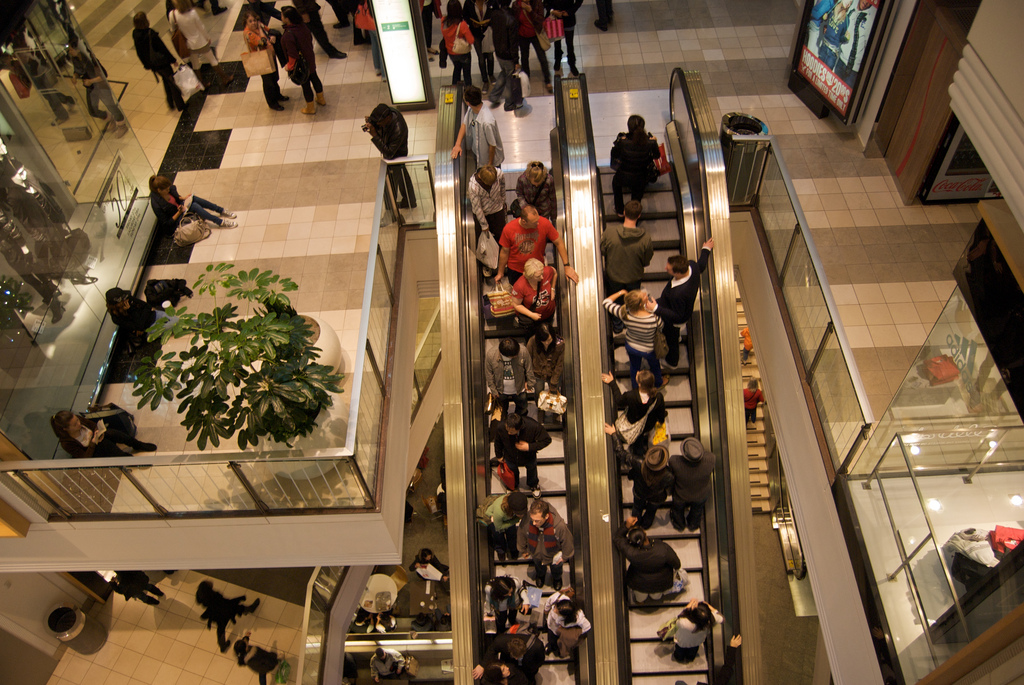
http://www.flickr.com/photos/ari/4145273010/
With the holidays approaching many people are starting their shopping. Next week comes one of the busiest shopping days of the year: Black Friday. Plus pre-Thanksgiving sales, Cyber Monday, and all the other holiday sales make this time of year a little hectic when it comes to finding the perfect gift. With some of the economic challenges people are facing this year, finding the best bang for the buck is even more important. So take a break and check out the history behind Black Friday and some tips and tricks you can use to find the best deals and to keep yourself safe as you shop for your loved ones this year.
NEW! Why is it called Black Friday?
http://useconomy.about.com/od/demand/f/Black_Friday_Name.htm
Black Friday got its name originally because of the car accidents and violence that took place as the crowds rushed for the sales. Stores didn’t want the day associated with something so negative so they changed it to represent the way the sales would help get them back in the “black” financially speaking.
The History of Black Friday (find it on the ipl2)
http://blackfriday.com/pages/black-friday-history
Find out more about Black Friday on this site devoted to the day and everything surrounding it. Learn more about when it started, who coined the phrase, and why it’s become something shoppers look forward to almost as much as Thanksgiving or Christmas.
Personal Safety Plan for Black Friday (find it on the ipl2)
http://www.ncpc.org/about/news/you-need-a-personal-safety-plan-for-black-friday
The National Crime Prevention Center offers tips to keep you safe if you go out to face the crowds on Black Friday. These ideas will help you make a plan ahead of time and keep you, your money, and others around you safe. Remembering to take your time, not carry more than you can, and being aware of your surroundings are just a few of the tips offered to make your shopping more enjoyable and less stressful.
Black Friday Ads and Shopping (find it on the ipl2)
This site gathers all the sales and information you need to make your strategy for Black Friday shopping. Browse the ads ahead of time, find out special shopping times, and learn any restrictions you need to know before you head out the door.
Tips: Safe Online Shopping (find it on the ipl2)
http://www.safeshopping.org/tips.shtml
Because of the crowds and the craziness you might prefer to shop from the comfort of your home. This site offers practical advice and tips on how to protect yourself as you shop. Valuable suggestions on how to tell if a website is secure to shop on and reminders to trust your instincts are just a couple of the tips that can help you have a safe and enjoyable shopping experience, even on the web.
Cyber Monday Ads and Shopping NEW!
With the advent of online shopping, stores decided to get in on the shopping frenzy of Black Friday and extend special deals that would be available only online on the Monday after Thanksgiving. This site will give you tips on all of the deals to watch for on Cyber Monday. Plus they offer the inside scoop on online deals all throughout the year.
Better Business Bureau Consumer Tips (find it on the ipl2)
http://www.bbb.org/us/consumers/
The Better Business Bureau offers plenty of tips on how to shop online safely. They offer suggestions on how to avoid scams, lists of reliable sites, and ratings on specific businesses to help you make better choices. There are a lot of useful links and articles to help you stay safe while shopping all year long.
NEW! Shopping Tips and Tricks
http://shoppingtipsandtricks.com/
This blog is updated regularly and is focused on helping you find the best deals. There are regular pages of links to places you can find coupons or ads, information about freebies, and other sites you might find useful. Plus, the author posts about special promotions as she finds them.
National Retail Federation (find it on the ipl2)
http://www.nrf.com/modules.php?name=News&id=615
This site gives you all the news you could want about past and present shopping trends around the holiday season. Get statistics, articles, and information about Black Friday and Cyber Monday. It will help you check out what’s big this year or look at what happened last year at this time.
In the News: World Pneumonia Day
November 13, 2013 — theipl2blog![Pneumonia X-Ray by Encephalon at en.wikipedia [Public domain], from Wikimedia Commons](http://commons.wikimedia.org/wiki/File%3APneumonia_x_ray.jpg "Pneumonia X-Ray by Encephalon at en.wikipedia [Public domain], from Wikimedia Commons")
Pneumonia X-Ray by Encephalon at en.wikipedia [Public domain], from Wikimedia Commons
World Pneumonia Day is held on November 12 every year to bring attention to the world’s leading killer of children under age 5, and to encourage governmental action to prevent and treat the disease around the globe. Key messages of World Pneumonia Day 2013 include: Pneumonia takes an immense human toll; the Developing World is the worst affected; Proven interventions exist and must be made available to the vulnerable; and Innovation is crucial. Pneumonia is an infection of the lungs that can be caused by a variety of factors, including bacteria, viruses, parasites, fungi and chemical and physical irritants. Pneumonia is most common in Winter months and anyone can get it, although it most often attacks young children, people over the age of 65, and those with compromised respiratory or immune systems. Preventative strategies and treatments are available and several organizations are involved in implementing and tracking those interventions all over the world.
Pneumonia Fast Facts
Virtual Medical Centre: Pneumonia NEW!
http://www.virtualmedicalcentre.com/diseases/pneumonia/38#Statistics
The Virtual Medical Centre provides a Pneumonia Fact Sheet with definitions, statistics, risk factors, treatments, research resources and more.
Pneumonia & Children
World Pneumonia Day NEW!
The United Nations has recognized November 12th as World Pneumonia Day since 2009. This year the theme for Pneumonia Day commemorations is “Innovation”. On November 12th, medical professionals and advocates call upon the governments of the world to invest in innovation for the prevention and treatment of the world’s number one killer of young children.
World Pneumonia Day Places Emphasis on the Biggest Killer of Children (find on ipl2)
http://www.unicefusa.org/news/news-from-the-field/world-pneumonia-day-unicef.html
“We can’t have the reductions in child mortality that we envisage without a concentrated, direct attack on the biggest enemy that children face,” said Mickey Chopra, Chief of Health of United Nations Children’s Fund in November, 2012.
Pneumonia & the Elderly
Pneumonia – University of Maryland NEW!
http://umm.edu/health/medical/reports/articles/pneumonia
For the elderly population in the United States, Pneumonia is a serious concern. It is the most common hospital-acquired infection for seniors, and is one of the most prevalent nursing home-acquired illnesses. The University of Maryland provides excellent information on the causes, diagnosis, treatment and prevention of the disease in the elderly and other populations. Images and charts make this medical information easier to understand.
What are the Risks of Pneumonia in the Elderly? (find on ipl2)
http://www.wisegeek.com/what-are-the-risks-of-pneumonia-in-the-elderly.htm
The elderly are vulnerable to Pneumonia because they often have weakened immune systems and pre-existing health conditions that are worsened by Pneumonia. Common treatments are often not effective for older patients for a variety of reasons. Wisegeek discusses some of the challenges involving older patients and Pneumonia.
Symptoms & Treatment
Pneumonia – MedlinePlus (find on ipl2)
http://www.nlm.nih.gov/medlineplus/pneumonia.html
High fever, shaking chills, unproductive cough, shortness of breath– all are possible symptoms of Pneumonia. MedlinePlus, an excellent online health resource, provides plenty of information on the symptoms and treatment of Pneumonia, which is also called Bronchopneumonia.
Pneumonia – Treatment & Drugs (find on ipl2)
http://www.mayoclinic.com/health/pneumonia/DS00135/DSECTION=treatments-and-drugs
Antibiotics, anti-viral medications and vaccinations for children are possible responsive or preventative treatments for Pneumonia. As explained by the Mayo Clinic, treatment for Pneumonia depends largely on its type and severity.
Around the World
World Health Organization – Pneumonia (find on the ipl2)
http://www.who.int/mediacentre/factsheets/fs331/en/
Pneumonia affects people all across the globe, but it is most prevalent in South Asia and sub-Saharan Africa. The World Health Organization fact sheets provide information about the specific causes of Pneumonia and discusses how to prevent and treat the disease with simple remedies and care.
Pneumonia – The Acute Respiratory Infections Atlas NEW!
http://www.ariatlas.org/understanding_aris/pneumonia
The Acute Respiratory Infections Atlas, sponsored by the World Lung Foundation (WLF), provides maps and other information about Pneumonia around the world. Pneumonia, according the WLF, is a disease of poverty.
In the United States
American Lung Association (find on the ipl2)
http://www.lung.org/lung-disease/influenza/in-depth-resources/pneumonia-fact-sheet.html
The American Lung Association discusses the causes, types, treatments and costs of Pneumonia in the United States. It also provides statistics about Pneumonia in the U.S. regarding age, gender and race.
Centers for Disease Control and Prevention (CDC) (find on ipl2)
http://www.cdc.gov/features/pneumonia/
The CDC, a participant and advocacy organization in World Pneumonia Day, reports that “In 2009, 1.1 million people in the United States were hospitalized with pneumonia and more than 50,000 people died from the disease.” The CDC also provides other information as well, including facts on the prevention of the disease through vaccination and good hygiene practices.
Strategies & Progress
What We Do – Pneumonia Strategy Overview – Bill & Melinda Gates Foundation (find on the ipl2)
http://www.gatesfoundation.org/What-We-Do/Global-Health/Pneumonia
The Bill & Melinda Gates Foundation is participating in efforts to prevent and treat Pneumonia around the world. The foundation’s “top priority is to promote full-scale delivery of currently available…vaccines and support the development of new vaccines” and to improve access to treatments for those at risk.
Pneumonia Progress Report – IVAC NEW!
The International Vaccine Access Center from the Johns Hopkins School of Public Health provides data about the progress the world is making in preventing and treating Pneumonia in the 15 countries with the most child Pneumonia Deaths. Their findings? “Even in the face of significant progress, pneumonia remains the biggest threat to children’s lives, and disproportionately affects the poorest children in the world.”
In the news: 2013 – The Year of Solar Flare
November 7, 2013 — theipl2blog
The sun erupted with an X1.7 class solar flare on May 12th, 2013. This is a blend of two images of the flare from NASA’s Solar Dynamics Observatory. One image shows the light in the 171-angstrom wavelength and the other show the 131 angstroms.
Are science fiction literature authors correct when they write about solar flares causing Earth’s communications to fail and causing catastrophes worldwide or is this simply a convenient plot device? The year 2013 has seen the most solar flares since 2003 because the Sun’s magnetic field cycle is reversing polarization, as it does every 11 years. This reversal causes larger and more frequent solar flares, which explains why this year has seen a large number of these impressive solar weather occurrences in many years. National Aeronautics and Space Administration (NASA) officials say “the sun’s normal 11-year activity cycle is ramping up toward solar maximum, which is expected in late 2013” (NASA News, 2013, found below).
Early in October the Earth was treated to a wonderful display of Northern Lights, illuminating the sky with brilliant dancing colors throughout the Northern United States and Canada. A solar flare directed at the Earth sent a larger than average stream of magnetized radiation at the Earth, which reacted with the Earth’s own gravity and magnetic field, creating Northern Lights. This particular flare was a class M, which was not strong enough to disrupt any satellites or space stations orbiting the Earth but is still considered impressive by NASA’s standards.
The question remains: how will these solar flares affect technology and are they dangerous to the Earth? Below are some informative links explaining what solar flares are, how they affect technology, and how they are studied.
What are solar flares and why are they important:
Solar Flare Theory Educational Web Pages (find it on the ipl2)
http://hesperia.gsfc.nasa.gov/sftheory/index.htm
NASA’s Goddard Space Flight Center in the Heliophysics Science Division offers a detailed look at solar flares, explaining what a solar flare is, why it’s important to study solar flares, and what impact solar flares have. Additionally, this site reviews current research projects in the field of solar flares, such as the RHESSI Spacecraft.
NASA News (find it on the ipl2)
http://www.nasa.gov/mission_pages/sunearth/news/News060813-m5.9flare_prt.htm
On June 8th, 2013, NASA announced that a class M solar flare had occurred on June 7th. NASA explained effects such as moderate radio blackout are common with class M solar flares. NASA officials also stated that increased solar weather activities, like flares, were likely to occur more frequently in 2013, as the magnetic field was likely to reach “solar maximum.” The United States Space Weather Prediction Center with the National Oceanic Atmospheric Association predicts that the solar flare activities are likely to increase late in 2013.
The Sun Also Flips: 11-Year Solar Cycle Wimpy, but Peaking (New!)
http://www.news.wisc.edu/22222
University of Wisconsin-Madison’s Terry Devitt provides an in depth explanation of the solar flare and of solar maxes, explaining that the Sun’s magnetic field reverses direction every 11 years, causing sunspots, solar flares, auroras, and geomagnetic storms. Devitt also discusses the effects of superflares and their potential global threat to the Earth.
The not-so Northern Lights: Solar Flare Slams into Earth to Display Majestic Aurora as Far South as Kansas, Maine and Donegal (New!)
http://www.dailymail.co.uk/sciencetech/article-2442531/Solar-flare-causes-Northern-Lights-US-Kansas-Maine-Donegal.html#ixzz2iNzp8EQf
The Daily Mail Online explains how a powerful solar flare brought the Northern Lights as far south as Kansas, Main, and Donegal (a town in Ireland). The site explains the phenomena and includes many lovely photos from Paul Cyr illustrating an Amish family experiencing the Lights for the first time. The Daily explains what a solar flare is, why it occurs, and that in December of 2013 this solar flare cycle will reach its peak, undoubtedly creating more Northern Lights.
How do they affect technology on the Earth:
The Effects of Solar Flares on Technology (New!)
http://www.ehow.com/list_7584091_effects-solar-flares-technology.html
eHow explains the Effects of Solar Flares on Technology in a manner that is clear and easy to understand. eHow explains the Sun’s 11 year magnetic energy cycle and its effect on the rate of solar flare as it changes. The site additionally outlines the effect on the power grids, GPS technology, and mobile devices.
Could an Extremely Powerful Solar Flare Destroy all the Electronics on Earth? (find it on the ipl2)
http://science.howstuffworks.com/solar-flare-electronics.htm
In Jonathan Strickland’s article with HowStuffWorks.com, he explains the nature of the sun, solar flares, and the potential for damage for our planet when a solar flare happens. Strickland explains that the majority of flares are absorbed in our atmosphere, creating Northern Lights and leaving the majority of people unharmed, but for people in space or at high altitudes skin cancer or irritation is a risk depending of the flare’s classification; additionally Strickland explains the vulnerability of satellites and electronics. The last super-storm from the Sun happened in 1859, when a flare so powerful occurred that Cubans saw the Northern Light. Strickland explains that if a similar flare happened today, it would take months to repair the damage.
Solar Flare Warning Issued by NASA (New!)
http://www.inquisitr.com/914975/solar-flare-warning-issued-by-nasa/
On August 21st NASA issued a Solar Flare Warning as a storm hurtled toward the Earth at 3 million mph, interrupting some satellites used for GPSs and airline communications. The article from Inquisitor explains that 3 million mph is an average speed for solar storms. Additionally the Northern Lights is an extraordinary side effect of the these storms. When the solar radiation from the the flare hits the Earth’s magnetic field, the radiation breaks up in the atmosphere creating the Northern Lights in the sky, which are brightest at the poles of the Earth where the magnetic field is the strongest.
Solar Effects (find it on the ipl2)
http://www.swpc.noaa.gov/info/SolarEffects.html
The National Oceanic Atmospheric Association (NOAA) Space Weather Predictions Centers (SWPC) offers detailed descriptions of solar effects, including solar cycles, solar-terrestrial effects (the solar weather’s effects on earth), and a look at SWPC’s other solar weather operations. The table provided on this site is particularly helpful in laying out the specific effects that solar weather has on the Earth.
How do we study the sun:
Scientists have High Hopes for Japan’s Solar-B Mission Which has been Launched from the Uchinoura Space Port (find it on the ipl2)
http://news.bbc.co.uk/2/hi/science/nature/5371162.stm
Here the BBC’s Jonathan Amos discusses Japan’s new mission to study solar explosions. In September of 2006, Japan sent the spacecraft Solar-B into space carrying a probe, which will find out more about the Sun’s magnetic fields that cause solar flares when their 11-year cycle changes, flinging radiation into space. Amos explains that the probe will act as magnet to study the sun, giving scientists the hope that with finer detail they will be able to predict solar flares more accurate and avoid disaster in the future.
The Classification of X-ray Solar Flares or “Solar Flare Alphabet Soup” (find it on the ipl2)
http://spaceweather.com/glossary/flareclasses.html
SpaceWeather.com gives a unique look into the science of classifying solar flares. By analyzing strength of wattage, or the measurement of light admitted from the Sun, in a measurement called an Angstrom, scientists are able to determine the classifications; for example 10^-5.5 watts measures up to a class M solar event. The site then explains how class X could lead to lasting radio blackout and radiation, class M would cause radiation in the Earth’s magnetic field and radio blackouts around the pole, and class C are unnoticed by the public.
Strongest Solar Flare in Months Unleashed by Sun (find it on the ipl2)
http://www.nbcnews.com/science/strongest-solar-flare-months-unleashed-sun-8C11369482
NBC’s Denise Chow offers a clear explanation of the class system for solar flares in a report of the event on October 9th, 2013, when at 9:48pm EDT one of the strongest solar flare in two months occurred. Chow illustrates the role of Earth’s magnetic field and how the flare could disrupt communications on Earth.
Our Sun (New!)
http://www.kidsastronomy.com/our_sun.htm
This children’s site illustrates the fundamentals of solar astronomy, highlighting key points like x-ray classification of solar flares, convection, thermonuclear fusion, and sun spots and winds. This site is particularly helpful because it offers HD video from NASA and the Kids Know It Network.
NASA Canyon of Fire on the Sun (find it on the ipl2)
http://www.nasa.gov/content/goddard/nasa-releases-movie-of-suns-canyon-of-fire/#.UmmFvfmsiSo
Nasa’s YouTube Channel offers look at an eruption of solar material that occurred in late September. The video illustrates how the Sun is actually made out of plasma, and as magnetic fields change cycles, eruptions, like solar flares, can happen. This video demonstrates that by analyzing the eruption at different wavelengths, as demonstrated by the multiple colors, scientists are able to study the magnetic field around the Sun.
The Link: Everything you need to know about the Shutdown and the Affordable Care Act
November 1, 2013 — theipl2blog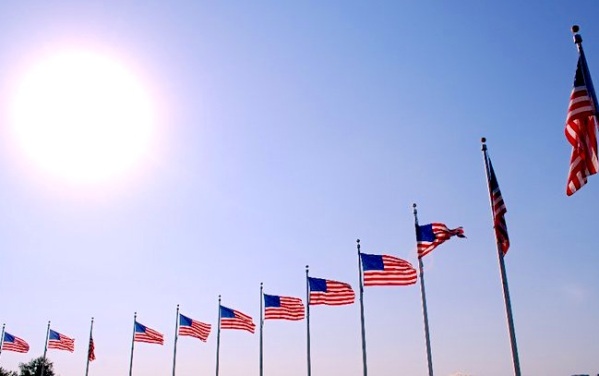
Flags at the Washington Monument in DC
From the recent 16 day shutdown of the federal government and the previous shutdown of 1995, to the launching of the new Affordable Care Act (ACA), to the management of programs such as Women, Infants & Children (WIC) and Supplemental Nutrition Assistance Program (SNAP), the decisions and initiatives of the U.S. Federal government have great influence on the daily lives of regular citizens. For information on U.S federal government programs that impact the daily life of American citizens, take a look at the A-Z Index of U.S. Government Departments and Agencies.
A-Z Index of U.S. Government Departments and Agencies (find it on the ipl2)
http://www.usa.gov/directory/federal/index.shtml
Shutdown:
The ipl2 has resources to explore if you would like more information about the recent and previous federal government shutdowns and how they affected people across the country.
66 questions and answers about the government shutdown (Find it on the ipl2)
http://www.usatoday.com/story/news/politics/2013/09/29/questions-and-answers-about-the-shutdown/2888419/
This informative video and article from USA Today discusses what led to the recent government shutdown, how the conflict was perpetuated, and what the effects of the closure were on federal programs, the economy, citizens, and the country.
Remarks by the President on the Reopening of the Government (find it on the ipl2)
http://www.whitehouse.gov/the-press-office/2013/10/17/remarks-president-reopening-government
This is the complete transcript of President Barack Obama’s remarks on the signing of legislation to reopen the U.S. federal government on October 17th, 2013. He describes the financial and political costs of the recent shutdown and discusses the future.
The Clinton-Gingrich 1995 shutdown (find it on ipl2)
http://tv.msnbc.com/2013/09/30/watch-the-clinton-gingrich-1995-shutdown/
The U.S. government has shut down before. MSNBC takes viewers back in time with a newscast from 1995 on the government shutdown, with Tom Brokaw, Brian Williams and Robert Hager reporting. This 4 minute video gives viewers an idea of the Republican and Democratic perspectives.
Affordable Care Act AKA Obamacare:
The Affordable Care Act (ACA), or Obamacare, is a brand new federal program that impacts U.S. citizens across the nation. With the new website going live in October there have been a lot of questions about what this means for people in the United States. Check out the ipl2 resources below to find out how the Affordable Care Act affects you and your family and friends.
NEW! Health Insurance Basics
https://www.healthcare.gov/health-insurance-basics/
This useful page on the federal healthcare website provides many frequently asked questions concerning the Affordable Care Act and related issues such as exemptions and coverage. Each question gives a short answer and provides a link to a longer explanation.
NEW! US Health Policy Gateway: PPACA
http://ushealthpolicygateway.com/vii-key-policy-issues-regulation-and-reform/p-health-reform/patient-protection-and-affordable-care-act-ppaca/
This site is compiled by the Center for Health Policy & Inequalities Research, which is headed up by researchers at Duke University. The Affordable Care Act is broken down into sections, which provide explanations as well as links to other sites where information can be found.
Health Care Reform Pros and Cons (find it on the ipl2)
http://healthcarereform.procon.org/
The ProCon website provides a section with a variety of statements and sources debating the major issues of the Affordable Care Act. Their goal is to provide a balanced perspective showing the pros and cons using quotes and information from both sides of the issue.
Kaiser Family Foundation ACA Consumer Resources (find it on the ipl2)
http://kff.org/aca-consumer-resources/
The Kaiser Family Foundation is a well-respected non-profit that has been providing healthcare information for over 50 years. This section of their site contains videos as well as FAQs, infographics, and other tools to try to make the Affordable Care Act understandable to everyone.
WIC & SNAP:
The U.S. federal government oversees many programs that are intended to support and improve the lives of U.S. citizens. Two of these programs are Women, Infants & Children (WIC) and Supplemental Nutrition Program (SNAP), which are designed to help meet the nutritional, health and housing needs of low-income families. Though you can get more information about WIC and SNAP resources from your state and local governments’ websites, here are some links to the national organizations.
Women Infants & Children (WIC) (find it on the ipl2)
http://www.fns.usda.gov/wic
Women Infants & Children (WIC) is a supplemental nutrition and education program that is funded through federal grants to states. It supports low-income mothers and their children through age five. This site describes the program and provides information on accessing individual state programs.
Supplemental Nutrition Assistance Program (SNAP) United States Department of Agriculture (find it on the ipl2)
http://www.usda.gov/wps/portal/usda/usdahome
The Supplemental Nutrition Assistance Program (SNAP) is a government program that helps low income families in the U.S. pay for food based on the number of people who live in the household and the household income. The SNAP program has come under great scrutiny in recent months and was considered vulnerable during the shutdown.
For a comprehensive look at the U.S. federal government’s foundational documents as well as its roles and agencies, take a look at the United States Government Manual.
United States Government Manual (Find it in the ipl2)
http://www.gpo.gov/fdsys/browse/collection.action?collectionCode=GOVMAN
Reminder: You can now subscribe to ipl2’s newsletter and weekly blog posts via email as well as RSS. The “Email Subscription” feature appears prominently in the upper left page on the ipl2′s News and Information WordPress blog. Subscription is free and open to all!
In the news: It’s that time of year again!
October 23, 2013 — theipl2blog
The leaves are falling, the air is cold and crisp, and it’s time to celebrate ghosts, goblins, witches and everything Halloween. Come visit the ipl2 for some history behind this scary holiday along with traditions and treats to make the most of any Halloween celebration.
Historical and Traditional Halloween
Halloween may be known as a time for costumes and treats, but the holiday did not start out that way. It came about as a Celtic holiday that marked the beginning of a new year by ending the summer crop and beginning the winter crop. On the night of October 31 the Celts celebrated Samhain, which was believed to be when the worlds of the dead and living became fuzzy. Once the dead returned to earth they enjoyed playing tricks by causing damage to crops. In the 1920’s and 1930’s Halloween in America became about “trick or treating,” which stems from the All Souls Day in England where poor people would beg for food and in return for the food, the poor would pray for the families’ dead relatives. Now, kids and adults beg for candy and wear costumes and celebrate by throwing parties. Check out the sites below to read more about traditions and history along with ways to make the most of your Halloween parties.
The history of Halloween and more! (Find it on the ipl2)
http://www.history.com/topics/halloween
The history channel gives a timeline of Halloween from the early days to present. A series of videos explains different aspects of Halloween such as pumpkins, witches, cultures, and the haunted history of the holiday.
The Statistics of Halloween (Find it on the ipl2)
http://www.census.gov/newsroom/releases/archives/facts_for_features_special_editions/012600.html
Contains facts and statistics regarding trick-or-treaters, pumpkins and jack-o’-lanterns, candy, and costumes. Includes relevant place names in the United States, such as Transylvania County, North Carolina, and Tombstone, Arizona.
The Fantasy and Folklore of All Hallows (Find it on the ipl2)
http://www.loc.gov/folklife/halloween.html
An essay about the historical origins of Halloween in the Samhain holiday, “the biggest and most significant holiday of the Celtic year.” Also includes a brief bibliography. From the American Folklife Center of the Library of Congress.
The Halloween Safety game (Find it on the ipl2)
http://www.halloweenmagazine.com/articles.htm
This game is a fun way to learn about Halloween and trick-or-treating safety. The site includes articles about Halloween traditions but also how to stay safe while executing those traditions.
NEW! The Pagan Roots of Halloween
http://www.cbn.com/spirituallife/onlinediscipleship/halloween/halloween_Pagan_Ankerberg.aspx
Want to know more about some Halloween symbols? Take a stroll through some Pagan roots and how these roots relate to this scary holiday on the Christian Broadcasting Network.
NEW! Halloween Traditions
http://www.factmonster.com/spot/halloween2.html
What is a Jack-O-Lantern? Ever hear of Mischief night? Factmonster will provide all the answers to these questions and answers to questions you never thought about for Halloween traditions..
Halloween- Party Time!
It is time for a party. Want to know how to roast pumpkin seeds? How to carve that perfect pumpkin? Or plan the scariest haunted house? Or plan the perfect Halloween meal? Well, you have come to the right place. These sites will help you plan a great Halloween party or small get together and everything in-between. Let’s get the celebration started!
Halloween online (Find it on the ipl2)
http://www.halloween-online.com/
Pumpkins, bats, and spider webs meet and “creep” you at this indispensable Halloween site. It’s been around a long time, since 1994. Everything Halloween in one click—costumes, Halloween parties, pumpkin carving, articles and more. Especially useful are the Halloween decoration tips and Halloween party resources.
PBS Kids (Find it on the ipl2)
Collection of links to Halloween-related activities and content for children, such as a card creator, coloring pages, spooky sounds music maker, games, and write-your-own stories. From PBS Kids.
NBC news (Find it on the ipl2)
http://www.nbcnews.com/business/its-aliiiive-haunted-house-industry-scares-big-money-8C11334306
Want to build your own haunted house? This is a great way to see what others have done and the economics behind the haunted house industry, as told by NBC news. This is no longer a kids holiday with adults now forking over cash to receive a good scare.
Costume idea zone (Find it on the ipl2)
http://www.costumeideazone.com/
Are you the creative type? Do you start planning your Halloween costume in May or June? Then, the Costume Idea Zone is the place for you. Offbeat, unusual and just downright clever ideas will set you on the path to winning a best costume contest on Halloween night.
Better homes and gardens (Find it on the ipl2)
http://www.bhg.com/halloween/recipes/
Scare up some delicious Halloween party food with our easy-to-make Halloween recipes. Make a creepy cupcake or tasty punch. And don’t forget to build your gingerbread-hunted house.
How to build a haunted house (Find it on the ipl2)
http://www.ehow.com/how_4448522_build-haunted-house.html
Time to make the house haunted. Everyone loves a good scare and building your own haunted house can do just that. Ehow gives simple and elaborate ways to build your own haunted house.
Grab your favorite costume. Plan a trick! Take your favorite treat! And come celebrate everything Halloween!
Reminder: You can now subscribe to ipl2’s newsletter and weekly blog posts via email as well as RSS. The “Email Subscription” feature appears prominently in the upper left page on the ipl2′s News and Information WordPress blog. Subscription is free and open to all!
The Link: Ovarian Cancer
August 14, 2013 — theipl2blog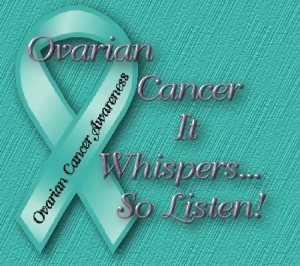
Image retrieved from Women’s voiced for Change used via a Creative Commons license.
This September newsletter marks the proposed designation from the White House as Ovarian Cancer Awareness Month. This House simple resolution (noted as H. Res. 301) was introduced back in 2012 President Obama. As of July 16, 2013, it is now awaiting congressional committee for approval before it is submitted to the House of Representatives.
Additional information about the tracking of this bill can be found on the link below:
http://www.govtrack.us/congress/bills/113/hres301
New resources that will be added to the ipl2 are noted NEW! All other resources can already be found in the ipl2 collection.
Signs and Symptoms of Ovarian Cancer
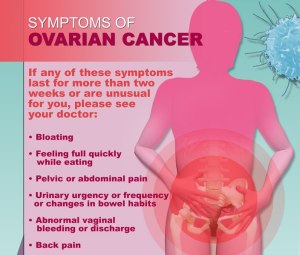
Image retrieved from Paper Masters used via a Creative Commons license.
Signs and Symptoms of Ovarian Cancer (find it on the ipl2)
The Signs and Symptoms of Ovarian Cancer can be undetected in women and thus display a silent or whisper effect of battling this disease before it progresses to a dangerous level. These symptoms shown in the image above are indicators that women should immediately go to their gynecologist for a proper examination.
Image retrieved from the website of Dr. Oz used via a Creative Commons license.
NEW! 5 Ovarian Cancer Warning Signs, Pt 1
http://www.doctoroz.com/videos/5-ovarian-cancer-warning-signs-pt-1
Television Talk Show Host and Cardiac Surgeon, Dr. Mehmet Cengiz Oz, also known as “Dr. Oz,” provides sources on his website regarding Ovarian Cancer. He provides a video on the five warning signs of this disease along with a tip sheet to the symptoms mentioned previously along with recognizing a person’s family history of Ovarian Cancer as well. Check out the link below to review
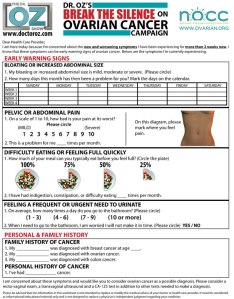
Image retrieved from the website of Dr. Oz used via a Creative Commons license.
Just Diagnosed? (find it on the ipl2)
http://www.ovariancancer.org/just-diagnosed/
This website gives information for women who have just been diagnosed with Ovarian Cancer. On this website are resources that can be used for the following: (1) education and information, (2) finding a doctor, (3) support for patient, caregivers and family, (4) genetics testing and research, (5) financial and legal support, (6) clinical trials and, (7) end of life care. Additionally, this source also contains a link to an ovarian cancer quiz, which can be helpful for women to determine if their symptoms are leaning towards a potential positive diagnosis of this disease.
Ovarian Cancer Quiz
http://www.ovariancancer.org/quiz/
Stages of Ovarian Cancer

Image retrieved from the National Cancer Institute via a Creative Commons License
What you need to know about Ovarian Cancer (find it on the ipl2)
http://www.cancer.gov/cancertopics/wyntk/ovary/page3
This National Cancer Institute booklet gives information about Ovarian Cancer. The section on understanding cancer outlines the process or stages that your body goes through when cancer cells grow. Here you will also find information about benign and malignant tumors, benign and malignant cysts and the way “ovarian cancer can invade, shed, or spread to other organs.

Logo retrieved from American Cancer Society web page via a Creative Commons License
How is Ovarian Cancer Staged? (find it on the ipl2)
http://www.cancer.org/cancer/ovariancancer/detailedguide/ovarian-cancer-staging
This resource gives a comprehensive look at the stages of ovarian cancer. It explains what staging is and why it is so important. It also explains the AJCC/TNM system which “describes the extent of the primary tumor (T), the absence or presence of metastasis to nearby lymph nodes (N), and the absence or presence of distant metastasis (M).”
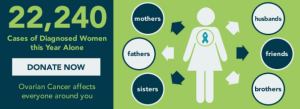
Image retrieved from ovarian.org via a Creative Commons License
Types and Stages of Ovarian Cancer (find it on the ipl2)
http://www.ovarian.org/types_and_stages.php
Ovarian.org is dedicated to empower people through educating them about ovarian cancer. This section of the site outlines the different types of ovarian cancer and the stages of the disease. It also provides information about the three most common cell types where cancerous ovarian tumors can begin.

Logo retrieved from ovariancancer.org via a Creative Commons License
Treatment (find it on the ipl2)
http://www.ovariancancer.org/about-ovarian-cancer/treatment/
This section of the Ovarian Cancer National Alliance gives information about “navigating and understanding treatment options are critical for an ovarian cancer patient’s survival.” It details what you can expect during different stages of treatment, as well as the various treatment options available to someone with ovarian cancer.
Ovarian Cancer Survival Rate

Image created by Melinda Wheeler via a Creative Commons License.
What is the Survival Rate for Ovarian Cancer? (find it on the ipl2)
Ovarian Cancer causes more deaths in women, than any other type of cancer affecting the reproductive system. In the United States, it is mandatory for doctors to report any diagnosis of cancer to the state registry board. The survival rate of Ovarian Cancer is determined by various different factors. Let’s explore them!
Check out the American Cancer Society, to learn more about Ovarian Cancer here: http://www.cancer.org/cancer/ovariancancer/detailedguide/ovarian-cancer-survival-rates
Statistics
The Ovarian Cancer survival rates are in lower numbers, than other cancers that affect women.
– There is a five-year survival rate that is 44 percent, and varies depending on an individual’s stage of diagnosis.
– Ovarian Cancer victims have a higher chance of surviving, if they are diagnosed at an early stage.
– In 2013, the American Cancer Society predicted about 22,240 new cases of Ovarian Cancer will be diagnosed and 14,030 women will die from it.
– The American Cancer Society reported in 2013, 93% of women diagnosed in early stages, survive five years.

Image created by Melinda Wheeler via a Creative Commons License.
Check out the Ovarian Cancer website for more details and information here:
http://www.ovariancancer.org/about-ovarian-cancer/statistics/

Image created by Melinda Wheeler via a Creative Commons License.
If you have any questions or concerns about Ovarian Cancer, please contact your Physician or visit/call the Cancer Treatment Centers of America’s website here:
http://www.cancercenter.com/about-us/contact-us/
Thank you for visiting the ipl2!
Reminder: You can now subscribe to ipl2’s newsletter and weekly blog posts via email as well as RSS. The “Email Subscription” feature appears prominently in the upper left-hand side of the page on the ipl2’s News and Information WordPress blog. Subscription is free and open to all!
________________________________________________________________________________________________________________________________________________
In the News: Back to School 2013
August 8, 2013 — theipl2blog
Goggle Image , used via a Creative Commons License
It’s that time of year again…Time to prepare for going back to school. Families all over the country are beginning to get their children ready to return to school. For some this may mean packing their children up and moving them into their first college dorm, while for others this may mean shopping for back to school clothing and supplies. The resources below provide a look at Back to School Shopping, health, and Common Core and how this is effecting families all over the country.
New resources that will be added to the ipl2 are noted NEW! All other resources are already listed in the ipl2 collections.

image retrieved from kidshealth.org used via a Creative Commons License
Back to School Countdown (find it on the ipl2)
http://kidshealth.org/parent/positive/learning/back_school.html#cat169
This resource provides valuable information about heading back to school. Whether you have a child heading back to an elementary or middle school you can find links to information about how to help your child deal with first day jitters, helping with homework, after school snacks and getting involved at school. There are also many kid friendly links providing a lot of wonderful insights and back to school tips!

Image retrieved from abcnews.com used via a Creative Commons License
5 Ways to Save on Back to School Shopping (find it on the ipl2)
http://abcnews.go.com/Business/BacktoSchool/ways-save-back-school-shopping/story?id=14329474
“School is starting soon, and you know it costs money for children to be prepared with books, clothes, supplies and the just the right backpack.” This resource provides 5 great tips on how to save money when you do your back to school shopping. Read on and SAVE!

Photo retrieved from nbcnews.com used via a Creative Commons License
Tax Breaks for Back to School Shoppers (find it on the ipl2)
http://www.nbcnews.com/video/nightly-news/52672847#52672847
This video resource provides insightful information about the tax breaks being offered to back to school shoppers. “Back to school shopping is the second biggest retail event behind Christmas sales, and a growing number of states are offering a sales-tax break on school supplies as an incentive to spend. NBC’s Rehema Ellis reports.”

Image from education.com used via a Creative Commons License
Back to School Health Check List (find it on the ipl2)
http://www.education.com/magazine/article/Back_to_School_Health/
This site provides information about making a healthy start back to school. This resource covers immunizations, reducing anxiety and special health concerns. Read on to find out what you need to do to help your child start their year off right.
Logo from nimh.nih.gov used via a Creative Commons License
Child and Adolescent Mental Health (find it on the ipl2)
http://www.nimh.nih.gov/health/topics/child-and-adolescent-mental-health/index.shtml
There are many sites that provide resources dedicated to helping your child make a physically healthy start back to school, but this site, the National Institute for Mental Health, is dedicated to the mental health of your child. Read on to learn more about how you can help a child coping with ADHD, Autism, Depression, OCD and the development of a young brain.
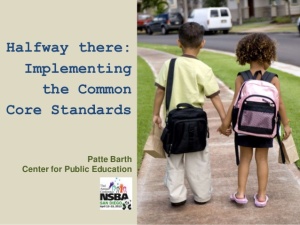
Patte Barth, used via a Creative Commons License
Understanding the Common Core (find it on the ipl2)
http://www.centerforpubliceducation.org/Main-Menu/Policies/Understanding-the-Common-Core
This resource supplies the public with a lot of great information about the Common Core Standards newly implemented by 45 of the 50 United States. There articles both praising and critiquing the Common Core and what this means for a K-12 student about to head back to school.
Reminder: You can now subscribe to ipl2’s newsletter and weekly blog posts via email as well as RSS. The “Email Subscription” feature appears prominently in the upper left page on the ipl2′s News and Information WordPress blog. Subscription is free and open to all!
_________________________________________________________________________________________________________________________________________________
 ipl2 - news and information